
Aeration and Overseeding: Enhancing Lawn Health for Fall
Posted on October 1, 2024
Getting your lawn ready for the fall involves more than just raking leaves. Aeration and overseeding are two key practices that can significantly improve the health and appearance of your lawn. By preparing now, you’ll ensure that your grass remains lush and green through the cooler months.
Aeration involves creating small holes in the soil to allow air, water, and nutrients to reach the grass roots. This process helps break up compacted soil and supports healthy root growth. When combined with overseeding, which is the practice of spreading new grass seed over existing turf, your lawn gets a boost of fresh growth and resilience.
These simple steps can make a big difference. Aeration and overseeding work together to fill in bare spots, reduce weed growth, and improve the overall density of your grass. It’s an easy way to give your lawn the care it needs to thrive year-round.
Follow along as we explore the benefits and techniques of aeration and overseeding. You’ll learn how to effectively prepare your lawn for a beautiful and healthy fall season.
What Is Lawn Aeration?
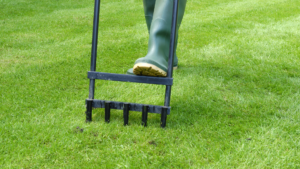
Lawn aeration is a simple but effective process that involves creating small holes in the soil. These holes allow air, water, and nutrients to penetrate the grass roots more easily. The primary goal of aeration is to alleviate soil compaction, which can hinder healthy root growth and reduce the efficiency of your lawn’s nutrient uptake.
There are various methods to aerate a lawn, but the most common one involves using a machine called an aerator. This device removes small plugs of soil from the ground, creating holes that can range from 1 to 6 inches deep. The plugs are often left on the lawn to break down and add organic material back into the soil.
By aerating your lawn, you are helping to break up compacted soil and thatch, providing the roots with better access to essential resources. Lawn aeration is particularly beneficial during the fall season when the grass is actively growing and can readily absorb these inputs.
The Importance of Aeration for Lawn Health
Aeration plays a vital role in maintaining the overall health of your lawn. When soil becomes compacted, it restricts the flow of air, water, and nutrients to the grass roots. This can make it difficult for the grass to grow properly, leading to a weak and thin lawn. Aeration helps solve this problem by loosening the soil and providing a direct pathway for necessary materials to reach the roots.
Benefits of Aeration:
1. Improved Water Absorption: Aeration allows water to reach deeper into the soil, reducing runoff and promoting healthy root development.
2. Enhanced Nutrient Uptake: Nutrients from fertilizer and organic matter can more easily penetrate the soil, boosting grass growth.
3. Reduced Thatch Buildup: Aeration breaks down thatch layers, which can suffocate the grass and harbor pests and diseases.
4. Stronger Roots: Looser soil gives roots more room to grow, resulting in a more resilient lawn.
Regular aeration contributes significantly to a healthier, more vibrant lawn. By improving the soil structure and enhancing the root system, your lawn becomes better equipped to handle environmental stresses.
What Is Overseeding?
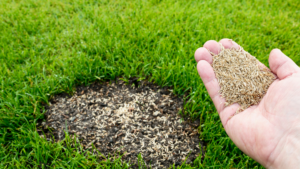
Overseeding is the process of spreading new grass seed over an existing lawn. This practice helps to thicken the lawn, fill in bare spots, and improve the overall health and appearance of the grass. Overseeding introduces new grass varieties that may be more resistant to diseases, pests, and environmental stresses.
The steps for overseeding generally include mowing the grass to a shorter height, removing any debris, and then spreading the grass seed evenly across the lawn. After seeding, it’s important to water the area adequately to ensure good seed-to-soil contact and to promote germination.
Key Benefits of Overseeding:
- Thicker Lawn: Overseeding helps to fill in thin areas, making your lawn denser and more lush.
- Improved Grass Varieties: Introducing new seed varieties can enhance the lawn’s resistance to diseases and pests.
- Enhanced Appearance: A thicker, healthier lawn is more visually appealing and increases the curb appeal of your property.
Overseeding works best when combined with other lawn care practices, such as aeration, to ensure that the new seeds have the best environment for growth.
Benefits of Combining Aeration and Overseeding
Combining aeration and overseeding offers the best of both worlds for lawn care. When done together, these practices enhance each other’s effectiveness and contribute to a healthier, more robust lawn.
Why Combine Them?
1. Better Seed-to-Soil Contact: Aeration creates holes that provide excellent spots for grass seeds to settle, improving germination rates.
2. Optimal Growth Conditions: Aerated soil allows new grass to access air, water, and nutrients more easily, promoting quicker and stronger growth.
3. Fills in Bare Spots: Overseeding fills in areas where grass is sparse, while aeration ensures the soil is receptive to the new seeds.
4. Increased Resilience: A lawn that is both aerated and overseeded is more resilient to environmental stressors like drought and heat.
Steps to Combine Aeration and Overseeding:
- Aerate First: Start by aerating your lawn to create holes and loosen the soil.
- Spread Seeds: Evenly distribute the grass seed across the lawn, focusing on areas that are thin or bare.
- Water Consistently: Keep the lawn moist to promote seed germination and root integration.
By combining these two practices, you can significantly enhance your lawn’s overall health and appearance, ensuring it stays beautiful and vibrant through the fall and beyond.
Best Time for Aeration and Overseeding
The best time to aerate and overseed your lawn is during the fall. Cooler temperatures and increased rainfall help create the perfect conditions for new grass seeds to germinate and grow. Fall is a season of active growth for many grass types, which means they can recover quickly from the aeration process and establish strong roots before winter.
Ideal Conditions for Aeration and Overseeding:
1. Cool Temperatures: Cool, but not freezing, temperatures are optimal for seed germination and growth.
2. Adequate Moisture: Fall typically provides more natural rainfall, which helps keep the soil moist and aids in the growth of new grass.
3. Reduced Competition: Weeds are less active in the fall, which means they’re less likely to compete with new grass for nutrients and water.
Performing aeration and overseeding at the right time increases the chances of successful growth. Your lawn will be better prepared to handle the stress of winter and emerge healthier in the spring.
How to Aerate Your Lawn
Aerating your lawn may seem like a daunting task, but it’s quite manageable with the right tools and techniques. Here are the steps to effectively aerate your lawn:
Steps to Aerate Your Lawn:
1. Choose the Right Tool: You can use a manual or mechanical aerator. Mechanical aerators are faster and more efficient for larger lawns.
2. Prepare Your Lawn: Mow your lawn to a shorter height and water it a day or two before aerating. This makes the soil easier to penetrate.
3. Aerate in One Direction: Make passes with the aerator in one direction across your lawn. Ensure you cover the entire area.
4. Aerate Perpendicular: For thorough coverage, make a second pass perpendicular to the first. This ensures that each part of your lawn is adequately aerated.
5. Leave the Plugs: After aeration, leave the soil plugs on the lawn. They will break down and return nutrients to the soil.
Aerating your lawn following these steps allows you to break up compacted soil effectively, promoting better root growth and nutrient absorption.
Choosing the Right Grass Seed for Overseeding
Selecting the right grass seed is crucial for successful overseeding. The right seed will depend on your region, soil type, and the amount of sunlight your lawn receives. Here are some tips to help you choose the best grass seed:
Types of Grass Seeds:
1. Cool-Season Grasses: Ideal for cooler climates; examples include Kentucky bluegrass, fescue, and ryegrass.
2. Warm-Season Grasses: Better suited for warmer climates; examples include Bermuda grass, zoysia grass, and St. Augustine grass.
3. Shade-Tolerant Grasses: If you have a lot of shaded areas, look for seeds that thrive in less sunlight.
Considerations for Choosing Seed:
- Local Climate: Pick a seed variety suited to your local climate conditions.
- Sunlight Exposure: Choose seeds that match the amount of sunlight your lawn gets—full sun, partial shade, or full shade.
- Soil Type: Consider a grass variety that does well in your soil type, whether sandy, clay, or loam.
Planting the right grass seed ensures your overseeding efforts are successful, resulting in a healthier, more resilient lawn.
Steps for Effective Overseeding
Overseeding involves spreading grass seed over your existing lawn to encourage new growth. Here are the steps to make your overseeding efforts effective:
Steps to Overseed Your Lawn:
1. Mow and Rake: Mow your lawn to a shorter height and rake away any debris. This helps the seeds reach the soil.
2. Choose the Right Seed: Select a grass seed variety that matches your lawn’s needs.
3. Spread the Seeds: Use a seed spreader to distribute the seeds evenly. Pay extra attention to bare spots.
4. Cover the Seeds: Lightly rake the lawn to cover the seeds with a thin layer of soil. This helps protect them from birds and ensures soil contact.
5. Water Consistently: Keep the lawn moist after seeding. Water lightly but frequently until the seeds germinate and the new grass is established.
Following these steps will help you achieve successful overseeding, resulting in a thicker, healthier lawn. Proper overseeding can fill in bare spots and improve the overall appearance and durability of your lawn.
Watering Tips After Aeration and Overseeding
Properly watering your lawn after aeration and overseeding is crucial for ensuring the best results. Here’s a guide to help you get it right:
- Initial Watering: Right after you complete the aeration and overseeding process, water your lawn lightly. This helps the grass seeds settle into the soil and start germinating.
- Daily Watering: For the first two weeks, keep the soil consistently moist. Water your lawn daily for about 15-20 minutes, preferably in the early morning. Avoid watering in the evening to prevent fungal growth.
- Adjusting Watering Frequency: After the first two weeks, reduce the frequency but increase the duration of each watering session. Water your lawn about every other day, soaking the soil deeply. This encourages root growth and helps young grass plants establish themselves.
- Long-term Watering: As your new grass begins to mature, transition to a regular watering schedule tailored to your grass type and local climate. Deep and infrequent watering is generally best, as it promotes deeper root growth and a more resilient lawn.
Maintaing Your Lawn After Aeration and Overseeding
Maintaining your lawn correctly after aeration and overseeding will help ensure the new grass grows strong and healthy. Here are some essential maintenance tips:
- Mowing: Wait until the new grass is about 3-4 inches tall before mowing. Set your mower blades to the highest setting to avoid stressing the young grass. Gradually lower the mowing height over subsequent mows.
- Fertilizing: About six weeks after overseeding, apply a balanced fertilizer to give the new grass a nutrient boost. Follow the recommendations on the fertilizer package for best results.
- Weed Control: Be cautious with weed killers, as many can harm young grass. Wait until your new grass is well-established before applying any herbicides. Manual weed removal is safer in the early stages.
- Traffic Management: Try to limit foot traffic on your lawn for the first few weeks to allow the new grass to be established without being trampled. Create paths or barriers if necessary.
Common Mistakes to Avoid
Avoiding common mistakes can make a big difference in the success of your aeration and overseeding efforts. Here are some pitfalls to watch out for:
- Skipping Soil Preparation: Failing to properly prepare your soil before overseeding can lead to poor seed-to-soil contact and hamper germination.
- Using the Wrong Seeds: Choose grass seeds that match your climate and existing lawn type. Using the wrong seeds can result in a patchy and mismatched lawn.
- Overwatering: While it’s essential to keep the soil moist, overwatering can cause seeds to wash away or lead to fungal problems.
- Ignoring Timing: Aerating and overseeding at the wrong time of year can reduce the effectiveness of these practices. Fall is generally the best time for cool-season grasses.
- Inconsistent Care: Not maintaining a consistent watering, mowing, and fertilizing routine can negate the benefits of aeration and overseeding.
Why Professional Aeration Services Make a Difference
Professional aeration services can significantly impact the health and appearance of your lawn. Here’s why:
- Expertise: Professionals know the best techniques and timing for aeration and overseeding, ensuring optimal results.
- Equipment: They have access to commercial-grade equipment that provides deeper and more consistent aeration compared to manual tools or rental equipment.
- Customized Solutions: Professionals can assess your lawn’s unique needs and create a customized care plan, including the best type of grass seed and fertilizers.
- Time-saving: Hiring a professional saves you time and effort, allowing you to enjoy a healthy, lush lawn without the hard work.
- Consistent Care: Experts provide regular maintenance and monitoring, ensuring your lawn continues to thrive long after the initial aeration and overseeding.
Revitalize Your Lawn: The Power of Fall Aeration and Overseeding
Aeration and overseeding are powerful tools for revitalizing your lawn, especially in the fall. By following proper watering and maintenance routines, you can help your grass grow stronger and more resilient. Avoid common mistakes to ensure all your hard work pays off.
If you need extra help or want to guarantee the best results, consider hiring a professional service. A healthy lawn boosts curb appeal and creates a beautiful outdoor space for you and your family to enjoy.
Achieve a lush, thriving lawn with ease. Contact GroGreen today to learn more about our expert aeration services in Frisco, TX, and transform your lawn this fall!