roGreen already offers pest control in Plano and specifically lists spider treatment as part of its local services, making spider control a natural fit for homeowners trying to get ahead of repeat sightings and webbing.


Location Services
roGreen already offers pest control in Plano and specifically lists spider treatment as part of its local services, making spider control a natural fit for homeowners trying to get ahead of repeat sightings and webbing.
It’s never been easier to have a beautiful lawn. Call today to lock in 50% OFF first application!*
Get your lawn back on track with 50% OFF first application!*
Opt into our text messaging platform to begin your program and schedule with us today!
Spiders are a common problem around Plano homes, especially where garages, landscaping, outdoor lighting, and steady insect activity give them the kind of shelter and food source they need.
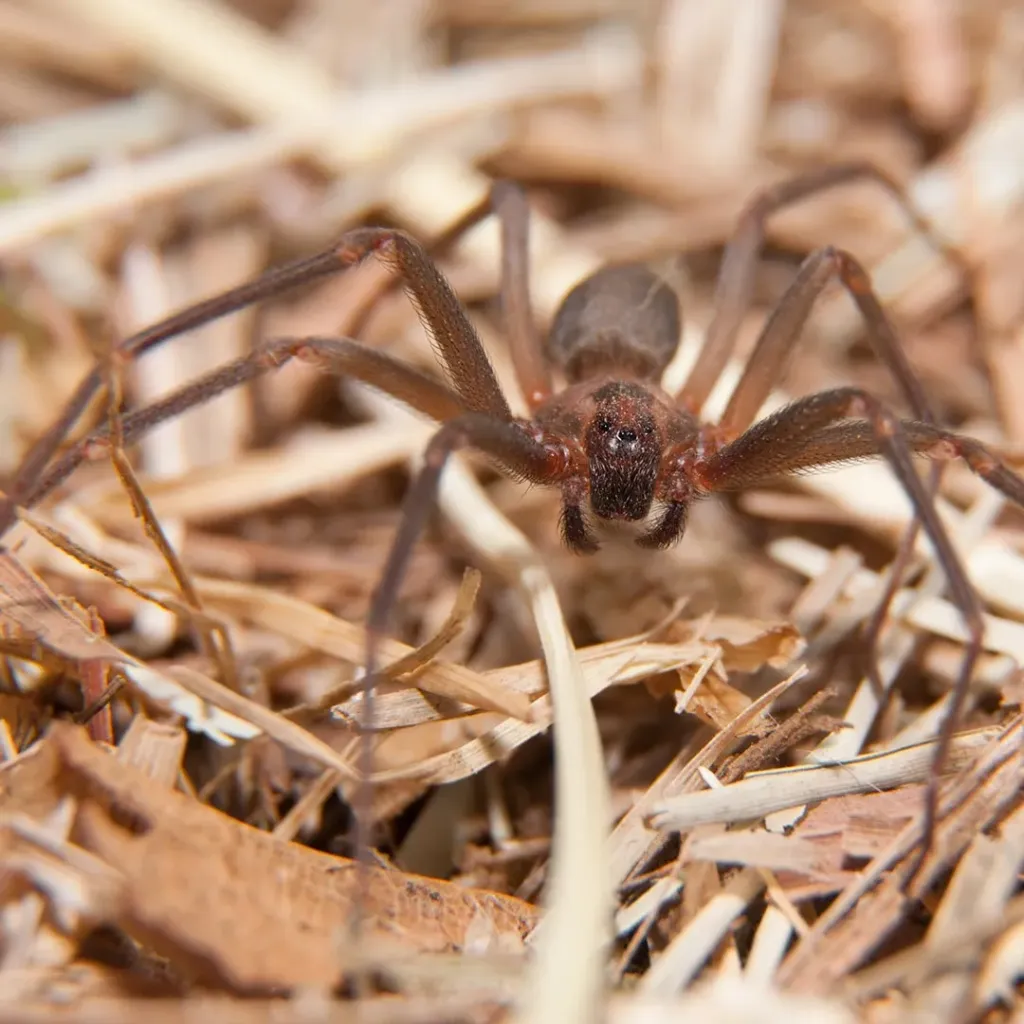
Brown recluse spiders are one of the main spiders homeowners in Texas worry about most. Texas A&M says brown recluse spiders are light to dark brown, usually have a violin-shaped mark on the cephalothorax, and prefer dry, narrow crevices, attics, crawl spaces, wall voids, and living areas of the home. They are shy, mostly active at night, and usually bite when trapped against the skin.
Texas A&M says widow spiders found in Texas include the southern black widow, western black widow, northern black widow, and brown widow. Adult female widows are typically black with a rounded abdomen and often have reddish hourglass markings underneath. They are usually found in protected outdoor areas or structures open to the outdoors, including wood piles, garages, crawl spaces, shrubbery, rain spouts, and other rarely disturbed places.
Because Texas A&M specifically lists the brown widow as one of the widow spiders found in Texas, it makes sense to watch for them in protected exterior areas around Plano homes as well. Like other widow spiders, they prefer sheltered spaces and are not something most homeowners want lingering near patios, garages, storage areas, or entry points.
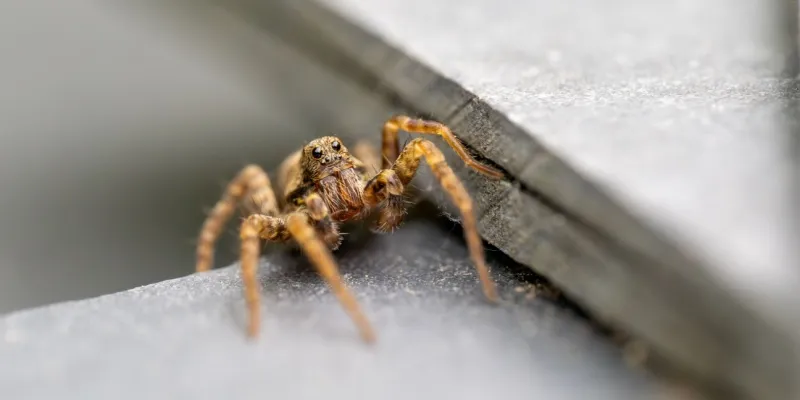
Texas A&M describes wolf spiders as among the most common spiders in fields and backyards. They are hairy, usually mottled brown, gray, black, yellow, or creamy white, and may have dark stripes on the cephalothorax. They often enter homes under gaps in doorways. Although they can be startling because of their size and speed, Texas A&M says they are generally not dangerous to people or pets.
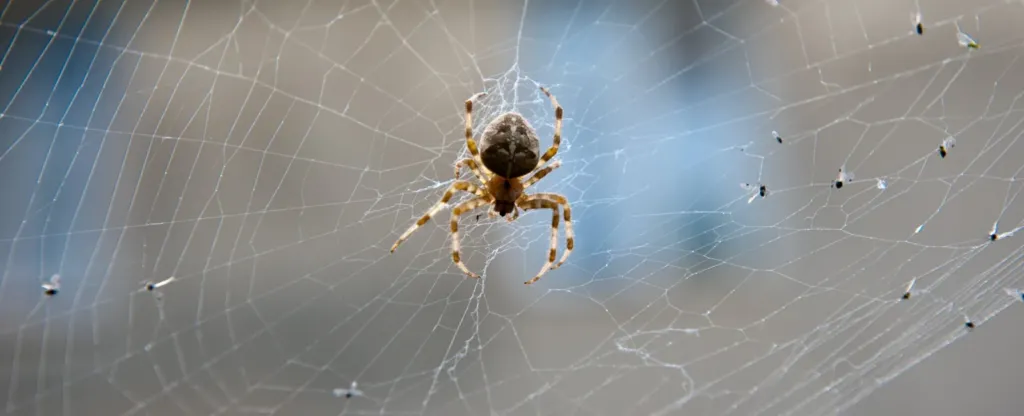
Texas A&M notes that orbweavers come in many shapes and colors, build the classic circular web, and are generally harmless to people, though their large webs can be a nuisance. The black-and-yellow garden spider is common in Texas, and spinybacked orbweavers are common in wooded areas. Texas A&M also describes jumping spiders as stocky and easy to distinguish, often with noticeable color patterns. Around Plano homes, these are often nuisance spiders rather than dangerous ones, but repeated webbing and frequent sightings still make homeowners want control.
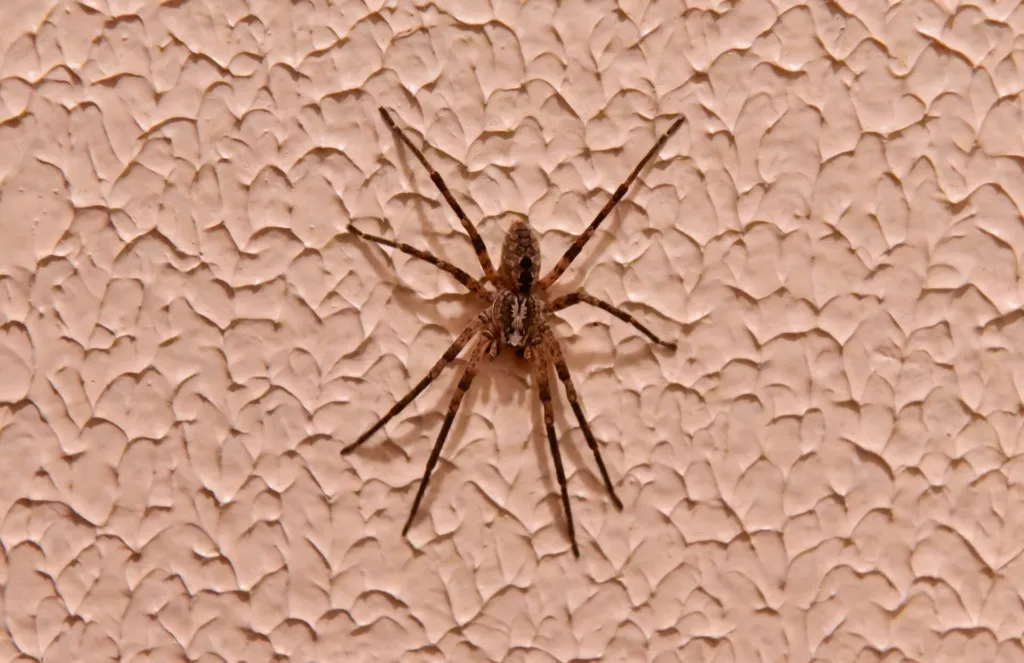
GroGreen positions its pest-control service around trained exterminators and environmentally responsible methods that target spiders and other common household pests. For a Plano spider problem, that kind of structured service matters because spider activity is usually tied to both what is visible now and what is supporting it behind the scenes.
Step
1
Inspection
The first step is identifying where spider activity is strongest, what types of spiders may be present, where webs and egg sacs are building, how much insect activity is nearby, and what entry points or moisture issues may be helping the problem grow. GroGreen’s local Plano service and broader pest-control offering both emphasize inspection-based, targeted treatment.
Step
2
Treatment
Treatment may include targeted applications, perimeter attention, web removal, egg sac removal, and crack and crevice focus in the areas where spiders are most active. Texas A&M also recommends mechanical removal of spiders, webs, and egg cases, including brushing, vacuuming, and removing webbing from eaves and protected outdoor areas.
Step
3
Prevention
Prevention may include sealing gaps, improving storage habits, reducing clutter, trimming vegetation away from the home, and lowering the insect activity that often attracts spiders in the first place. Texas A&M specifically recommends repairing weather stripping, sealing around lighted doors and windows, moving firewood away from the house, pruning back vegetation, and reducing clutter in storage areas.
Step
4
Monitoring
Because North Texas pest pressure can stay active through long warm stretches, follow-up and recurring service can help keep spiders from rebuilding in the same places. GroGreen already offers local pest control and preventative perimeter protection in Plano, which supports an ongoing rather than one-time approach.
Spring and summer usually bring more insect activity, more outdoor webbing, and more movement around porches, garages, landscaping, and exterior lights. Fall often makes spider activity easier to notice as spiders move toward more protected spaces. Even when outdoor pressure slows, garages, attics, crawl spaces, closets, and storage areas can still hold spider activity. GroGreen’s local Plano pages and Texas pest-control positioning support that kind of ongoing pest pressure rather than a very short seasonal window.
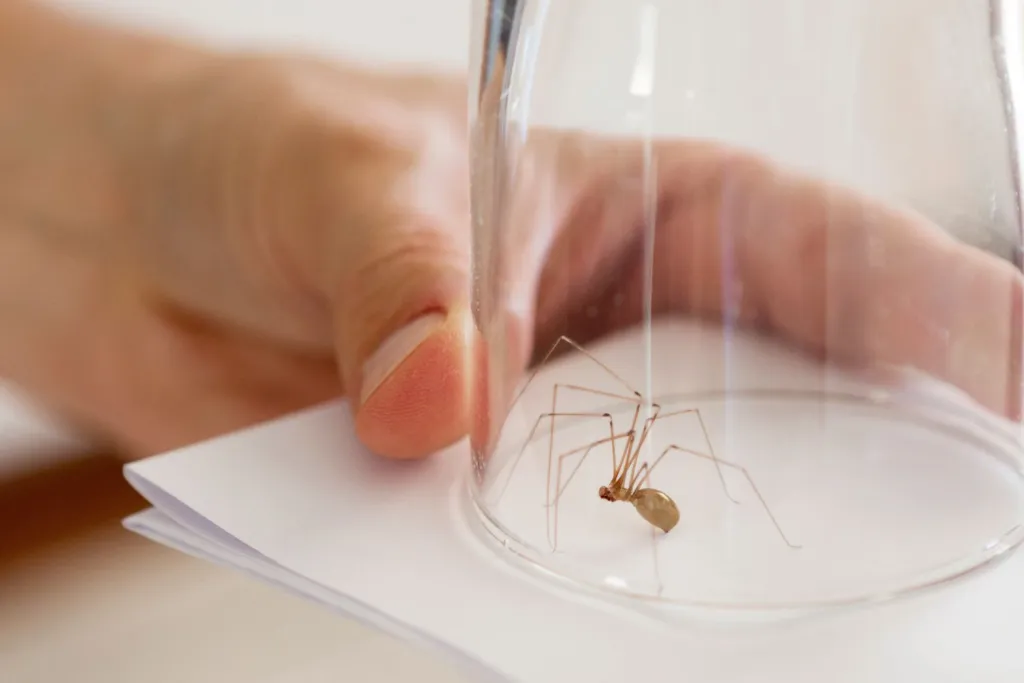
Seal cracks around doors, windows, vents, and utility lines. Replace damaged screens and worn weather stripping. Keep garages, closets, and storage rooms more organized. Remove webs quickly, trim back shrubs and tree branches touching the house, and avoid storing firewood or stacked materials right against the structure. Those are all consistent with Texas A&M’s spider management guidance.
It also helps to reduce insect attraction around outdoor lighting and manage moisture in shaded corners and protected exterior spaces. Texas A&M specifically notes that lights attract insects and the spiders that feed on them, which is one reason spider activity often builds near doors, windows, and patio lighting.


Most spiders are nuisance spiders, but Texas A&M identifies recluse spiders and widow spiders as potentially dangerous.
That usually points to increased insect activity, better shelter around the home, hidden egg sacs, or seasonal movement into protected spaces.
Spiders are attracted to insects, clutter, dark corners, protected storage areas, and entry points around doors, windows, and utility openings.
That depends on the size of the property and the level of activity, but effective service usually starts with inspection and targeted treatment. This timing language is a practical inference based on GroGreen’s inspection-based pest-control positioning rather than a published promise of exact treatment duration.
Many homeowners notice less activity fairly quickly, though some sightings may continue briefly while hidden areas, webs, and egg sacs are being addressed. This is an inference based on Texas A&M’s guidance that spider control often requires more than simple insecticide use.
Recurring service is often the best fit when spider activity keeps returning, especially when insects remain active around the property. GroGreen’s local services include preventative perimeter protection, which supports ongoing maintenance.
Yes. If food sources, shelter, and entry points remain, spiders can return.
GroGreen says its pest-control methods are environmentally responsible and designed to help keep homes safer for families and pets. Your technician can explain any simple after-service guidance.
Often, yes. Texas A&M repeatedly ties spider activity to insects and notes that reducing insect prey is part of spider management.
Texas A&M discusses recluse spiders, widow spiders, wolf spiders, orbweavers, and jumping spiders among common Texas spiders.
Fall often pushes spiders toward more protected spaces and makes indoor or garage sightings easier to notice. This is an inference consistent with Texas A&M’s discussion of protected shelter and with how recurring seasonal pest pressure is described on GroGreen’s local pages.
Accessible egg sacs can be removed as part of service, and Texas A&M specifically includes removal of egg cases as part of spider control.
You may reduce some visible activity by cleaning webs, sealing gaps, and lowering insect activity, but recurring problems often need professional treatment for better long-term control.
If spiders keep showing up around your garage, patio, attic, crawl space, or inside the house, GroGreen can help. Our spider control service in Plano, TX is built to reduce active spider pressure, remove webs, and help prevent the same problem from coming back. Schedule an inspection and get a treatment plan built around your property