Why Are There Rodents Showing Up?
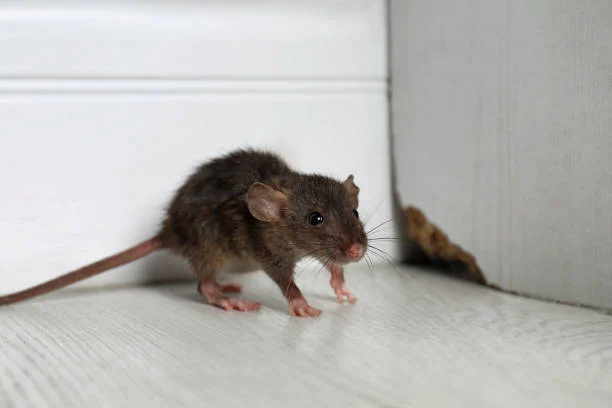
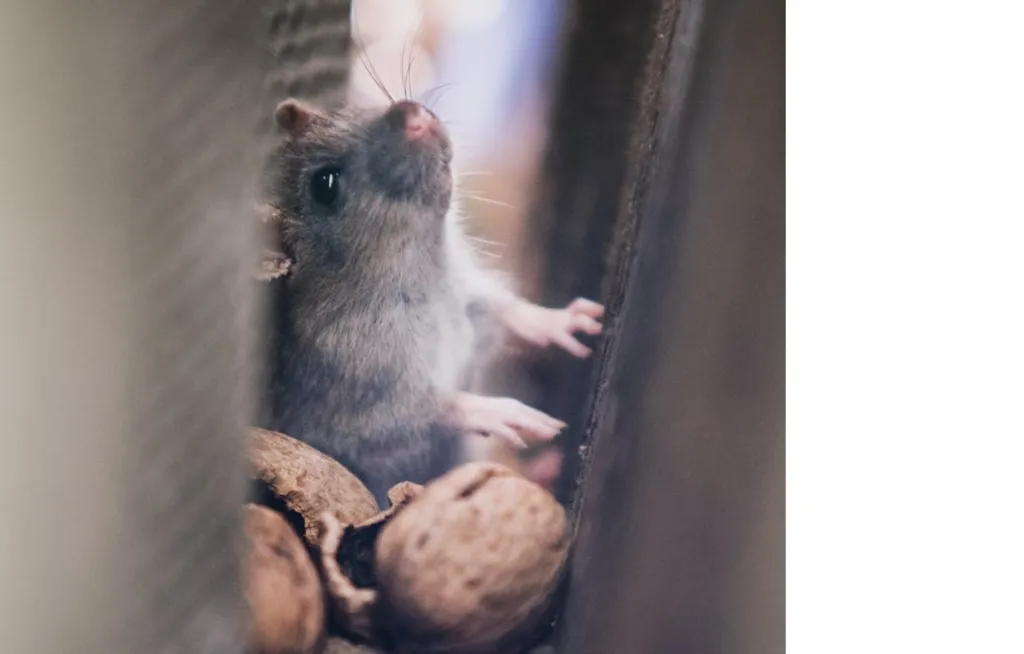
Rodents are driven by shelter, warmth, food, and water. Warm climates allow rats and mice to stay active year round, and humidity helps support outdoor populations. Even short cold snaps can push them indoors, where they search for safe nesting spots in attics, walls, and crawlspaces.
Construction and neighborhood growth also play a role. When soil is turned, trees are removed, and old structures are demolished, rodents are forced to relocate. Nearby homes, garages, and sheds become attractive substitutes, especially when there are gaps or weak points in the exterior.
Easy access to food is another major driver. Unsecured trash, spilled bird seed, pet food left out overnight, vegetable gardens, and compost piles all make a property more inviting. Proximity to creeks, ponds, and low areas that hold water gives them reliable moisture as well.
Why You Should Not Wait
A small noise today can become a major problem faster than most people realize. Rodents reproduce quickly. Once they find a safe nesting area and a reliable food source, their numbers can grow in a matter of weeks.
The longer rats and mice stay in your home, the more damage and contamination they can cause. They chew wires, insulation, wood, and stored belongings. Droppings and urine can contaminate food, shelving, and work surfaces, and odors grow stronger over time.
Waiting rarely makes rodents leave on their own. Early action helps prevent bigger damage, reduces health concerns, and keeps the problem from spreading into new parts of the house.