
The Importance of Crabgrass Preventer for Dallas Lawns
Posted on April 6, 2026
Eliminate Crabgrass for Good With Expert Tips on Timing & More
A well-maintained lawn is one of the most satisfying things about homeownership. Until crabgrass moves in and starts undoing all that work. This weed is relentless, spreads fast, and doesn’t respond well to half-measures. If you’re going to beat it, you need a real plan.
The foundation of that plan is simple: the right crabgrass preventer, applied at the right moment, backed by a lawn that’s healthy enough to hold its ground. The experts at GroGreen are here to share everything you need to know about crabgrass.
What Is Crabgrass?
Crabgrass is classified as a summer annual, which means it sprouts when DFW’s soil warms up each spring, pushes through the heat of summer, and eventually gets knocked back by the first freeze of the year.
However, it’s a big headache for your lawn because right before that frost kills it, it sheds thousands of seeds into your lawn. Those seeds settle into the soil, survive the winter, and start germinating all over again the moment spring temperatures arrive. So one bad season can fuel the next one.
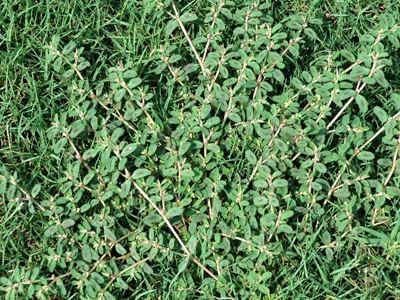
As for the name, it makes sense. Crabgrass sprawls outward from a central base in all directions, low to the ground, in a pattern that looks a lot like a crab. Its blades are similar enough to those of regular grass that it often goes undetected until it’s already well-entrenched.
Before you reach for any product, make sure you’re treating the right weed. The wrong herbicide on the wrong plant can cause real collateral damage. Here’s what reliably identifies crabgrass:
- Stem length that noticeably exceeds the grass blades around it
- Visible hairs along both leaf surfaces and stem edges
- A lighter or more yellow-green color compared to surrounding desirable turf
- A flat, outward-spreading growth habit rather than an upright one
- Unusually broad, flat leaf blades compared to typical lawn grasses
Not completely sure? Photograph it and consult a lawn care professional before treating.
Types of Crabgrass Preventer
The most effective crabgrass management happens before the weed ever appears. Pre-emergent herbicide is the mechanism that makes this possible. Rather than targeting plants that are already growing, it establishes a chemical barrier just below the soil surface that keeps germinating seeds from ever developing roots. No root system, no established plant.
Two formulations are available:
Liquid pre-emergents deliver fast, consistent, uniform coverage across the lawn. They require sprayer equipment and a precise application technique to be effective, which is a big reason professional lawn programs that apply crabgrass preventer season after season tend to favor them.
Granular pre-emergents are the go-to choice for homeowners managing their own turf. A broadcast spreader handles the job, and these products are stocked at most garden centers and hardware stores across DFW. The critical caveat: granular products need water to work. Rain or irrigation after application is what carries the active ingredient into the soil.
Best Time to Treat Crabgrass
In North Texas, timing your crabgrass preventer is extremely important. Apply too early and the product’s residual effectiveness wears out before the bulk of germination arrives. Apply too late and you’ve already lost the window.
Soil temperature is your most reliable guide. When the soil two inches below the surface reaches 55–60°F, crabgrass seeds begin germinating. That’s the moment you need your barrier already in place, not the moment you start thinking about it.
Prefer to use landscape cues? Two flowering shrubs track the season with surprising accuracy:
- Forsythia, with its unmistakable bright yellow spring blooms, finishes flowering a few weeks before crabgrass germination begins across USDA Zones 5 to 8. When those blooms drop, your prep window has opened.
- Lilacs bloom right alongside the actual germination of crabgrass across USDA Zones 3 to 7. Lilacs in full flower means your application window is open right now.
North Texas gets ahead of most of the country on this timeline. In DFW, germination can begin as early as February or March, well ahead of the Midwest’s typical April window and the late April-to-May timing common in northern climates. The active crabgrass season in Texas also stretches longer, meaning there’s more time for pressure to accumulate if prevention gaps exist.
One more thing to keep in mind: Your property isn’t uniform. Sun-drenched, south-facing zones heat up considerably faster than north-facing slopes, low spots, or areas that spend much of the day in shade.
The Case for Splitting Your Application
Rather than applying your full pre-emergent dose in one round, consider dividing it across two treatments. Crabgrass doesn’t germinate all at once—it comes up in pulses as soil temperatures climb and dip throughout spring. A single application, no matter how well-timed, can reach the end of its residual life before that full window has closed.
Here’s the approach:
- First application: when soil temperature is near 50–55°F and your earliest natural signals appear
- Second application: 6 to 8 weeks after the first
Professional lawn programs throughout the South use this method consistently because it delivers better protection across the complete germination period rather than just the early part of it.
When to Avoid Crabgrass Pre-Emergent
Pre-emergent herbicide doesn’t target crabgrass seeds exclusively. It blocks germination across the board. including your grass seed. Applying pre-emergent and then trying to overseed is one of the most common and costly spring lawn mistakes homeowners make.
Overseeding and pre-emergent are a seasonal either/or. If bare or thin spots on your lawn need seed this spring, skip the preventer entirely this round. Redirect that energy toward seeding to thicken your turf, use fall aeration and overseeding to build density, and fold crabgrass prevention back into the program the following year.
New turf needs time to establish first. Whether you’ve seeded or put down fresh sod, hold off on pre-emergent until the lawn has properly taken hold. Three to four completed mowing cycles is the benchmark before applying.
Why Might Crabgrass Preventer Fail?
You applied pre-emergent. Crabgrass emerged anyway. Something in the process broke down, and it’s almost always one of these:
Application happened too early. Pre-emergents lose potency over time. Treating in January or early February when peak germination doesn’t arrive until April can mean the product has already broken down before it’s needed most.
Application happened after germination started. Seeds that have already sprouted are unaffected by pre-emergent. It only works on seeds that haven’t germinated yet.
Rate was under the effective threshold. The label dosage is the minimum needed for the product to perform. Applying less produces proportionally weaker results.
Spreader left unprotected zones. Gaps between passes give crabgrass open territory to colonize. Calibrate your spreader before starting, walk at a consistent speed, and overlap your passes slightly to eliminate coverage gaps.
The lawn was already compromised. Thin, stressed, or heavily compacted turf can’t defend against weeds no matter what you apply. Herbicide treats the symptom. The underlying lawn health problem has to be fixed directly.
Granular product sat dry on the surface. Without rain or irrigation to move it into the soil, a granular pre-emergent never creates the barrier it’s designed to form.
Soil was disturbed after application. Aerating, aggressive raking, or any digging after treatment physically breaks apart the chemical layer you worked to establish.
What to Do If You Already Have Crabgrass
The prevention window has closed, but that doesn’t mean doing nothing is the right call. Post-emergent treatment won’t undo a lost season, but it can meaningfully reduce how many seeds this year’s plants deposit into the soil.
Start with Young Plants
Actively growing crabgrass caught early in the season is considerably more vulnerable to herbicide than the established, deeply rooted growth you’ll encounter by August in Dallas. Catching it early means better results from less product and fewer repeat visits.
Post-Emergent Products for North Texas Lawns
Quinclorac is the most widely used selective post-emergent option for crabgrass, available in both retail and professional formulations. Selective means it pursues the weed while leaving your desirable turf intact. Butthat selectivity depends on grass type, so verify label compatibility before spraying, especially with the warm-season varieties common across DFW.
Fenoxaprop is another reliable selective herbicide for crabgrass, though it’s more commonly found in professional-grade products than on standard retail shelves.
Glyphosate is non-selective. It eliminates everything it contacts, including your lawn. Reserve this for heavily infested spots where you’re committed to starting over completely with reseeding.
3 Treatment Tips That Matter
Good leaf contact is non-negotiable. Because crabgrass grows low and spreads wide, coverage needs to reach across the full surface of the plant. Skip mowing for at least 48 hours before and after treatment to preserve the leaf area needed for absorption. And plan for a follow-up application 7 to 10 days after the first, especially if you’re dealing with mature, established plants.
Seasonal Crabgrass Management
Spring
Begin checking soil temperature as the season opens and apply pre-emergent before that 55–60°F mark. DFW’s warm, sometimes extended springs make a split application worth planning for from the start. Raise your mowing height with the very first cut of the year.
Summer
Scan for any crabgrass that pushes through despite your prevention work and treat it fast. Young, small plants are far easier to knock back than sprawling mats. Maintain your deep, infrequent watering schedule through the heat and keep the mowing deck at a healthy height even when the lawn is showing summer stress.
Fall
Don’t overlook fall as part of your crabgrass strategy. Aerating to open compacted soil, fertilizing to build root strength heading into winter, and overseeding thin or bare areas all reduce the territory available to crabgrass next spring. The lawn work you put in during October has a direct effect on how things look the following May.
How to Achieve a Lawn That Resists Crabgrass
Herbicide programs only go so far on a lawn that’s already in rough shape. The long game in crabgrass control means creating turf that’s dense, deep-rooted, and vigorous enough to leave weeds very little room to work with.
Raise your mowing height. Taller grass blades shade the soil surface, reducing the light and heat that drive weed germination. A deeper canopy also encourages more extensive root development and builds drought tolerance over time. Cutting the lawn short on a regular basis is one of the fastest ways to create conditions that crabgrass prefers.
Test your soil. pH imbalances or nutrient shortfalls limit how well your lawn can compete against weeds, regardless of what you spray on the surface. A soil test gives you an accurate read on exactly what needs correcting.
Aerate on a regular schedule. Compacted soil favors crabgrass over most desirable turfgrasses. Aeration opens the soil profile, improves water and nutrient movement, and gives grass roots the growing room they need to build a competitive root system.
Corn gluten meal is an organic option for homeowners who prefer to limit synthetic inputs. Results build gradually over multiple consecutive seasons of consistent application, and it provides a modest nitrogen boost as a secondary benefit.
Water deeply, not often. Frequent shallow irrigation keeps moisture concentrated near the surface, where crabgrass seeds are waiting to germinate. One deep, thorough lawn watering per week pushes turf roots further down into the soil profile and away from the top layer where weed seeds live.
Crabgrass Preventer FAQs
-
Crabgrass has spread across most of my lawn. Will pre-emergent help at this point?
No. Established plants that are actively growing are completely unaffected by pre-emergent herbicide.
-
Can I overseed my lawn and apply pre-emergent at the same time?
No. These two goals are mutually exclusive in the same season.
-
Can a mower spread crabgrass to other parts of the yard?
Yes, particularly after seed heads have developed on the plant.
-
Can I apply fertilizer and pre-emergent at the same time?
Usually yes. Combination granular products that include both a pre-emergent and a fertilizer component are widely available.
-
Will crabgrass die off completely over winter and not come back?
The plant dies when temperatures drop, but the seeds it left in your soil do not.
Fight Crabgrass in Dallas With GroGreen
Getting crabgrass under control in the Dallas–Fort Worth area takes precise timing, the right products, and a lawn that’s healthy enough to stay competitive. The pre-emergent window is short, local conditions shift it year to year, and falling even slightly behind can turn into a full summer of weed management.
Ready for a different approach? Reach out to the lawn care professionals at GroGreen! Every yard is different, so contact us to get the best care for your lawn. proudly serve the greater DFW area, ensuring high-quality lawn care and pest control services for these communities:
- Allen, TX
- Carrollton, TX
- Coppell, TX
- Fairview Farmers Branch, TX
- Flower Mound, TX
- Frisco, TX
- Lucas, TX
- McKinney, TX
- Murphy, TX
- Parker, TX
- Plano, TX
- Prosper, TX
- Richardson, TX
- Sachse, TX
- St. Paul, TX
- The Colony, TX
- Wylie, TX