
Guard Your Home & Yard in DFW Against Ant Infestations
How is it possible that small bugs can create big problems? If you’ve ever sprayed a line of ants only to see them return the next day, you already know the frustration. Not sure how to get rid of ants? You need to go after the colony.
GroGreeen’s team handles ant problems across DFW. Below are six practical steps we’ve seen work. The secret to reducing ant activity is in identifying the species, removing their food sources, breaking their trails, destroying the nest, treating your yard, and sealing up their entryways. Keep reading to learn more!
Figure Out Which Ant You’re Dealing With
Not all ants are created equal. Some have a sweet tooth. Others crave protein or grease. A few set up camp outdoors and only wander inside for snacks. Then there are the ones that build nests right inside your walls.
What Type of Ant Is It?
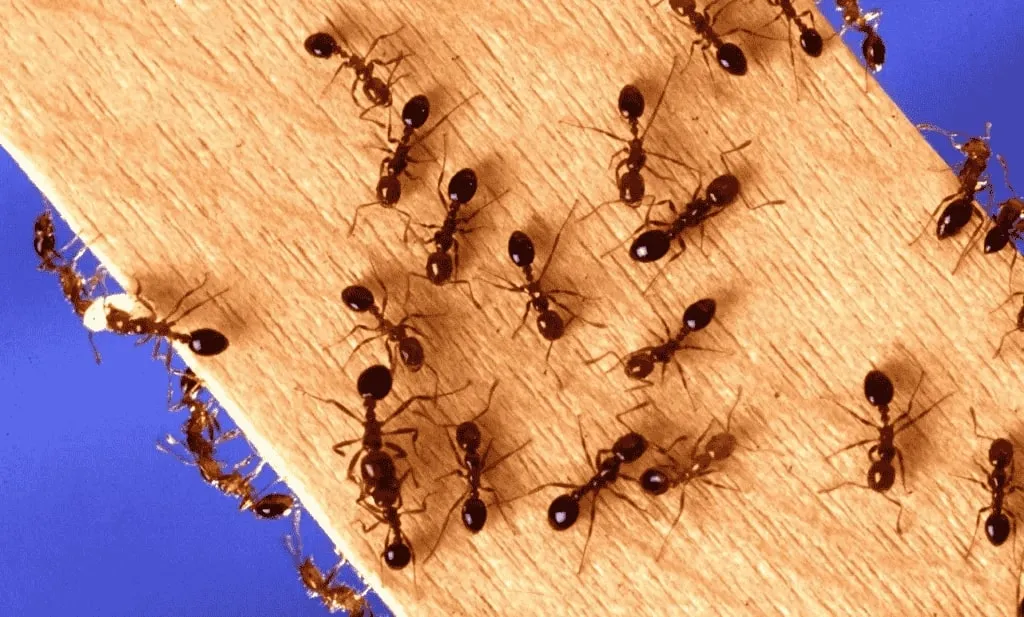
Use the wrong ant bait and you’ll feel like you’re trying to solve an unsolvable problem. That’s why identifying different types of ants is extremely important. So look at their waist and antennae. Ants have a pinched waist and bent antennae, while termites sport straight antennae and thicker bodies. Other clues include size, color, and where you spot them.
But where’s the nest hiding? Colonies range from a few hundred ants to several hundred thousand. The nest could be in a mulch bed, behind baseboards, under a concrete slab, inside a rotting fence post, or buried in your yard.
Season matters, too. Spring wakes colonies up and sends scouts hunting for food. Summer is peak population season. Fall pushes ants indoors looking for warmth. And weather events? Heavy rain or a dry spell can send ants scrambling in directions you’d never expect.
There are a few clear red flags that a colony has moved in. You might notice trails of ants marching in a straight line, regular sightings near your pantry, mounds around your foundation, tiny piles of brownish grit (frass) from carpenter ants, or winged ants swarming inside or just outside.
Ignore these signs and things will just get worse. There are two cases where taking action is especially important. Carpenter ants quietly hollow out wood over months. Fire ant colonies explode in size, and their stings are no joke for anyone who’s sensitive.
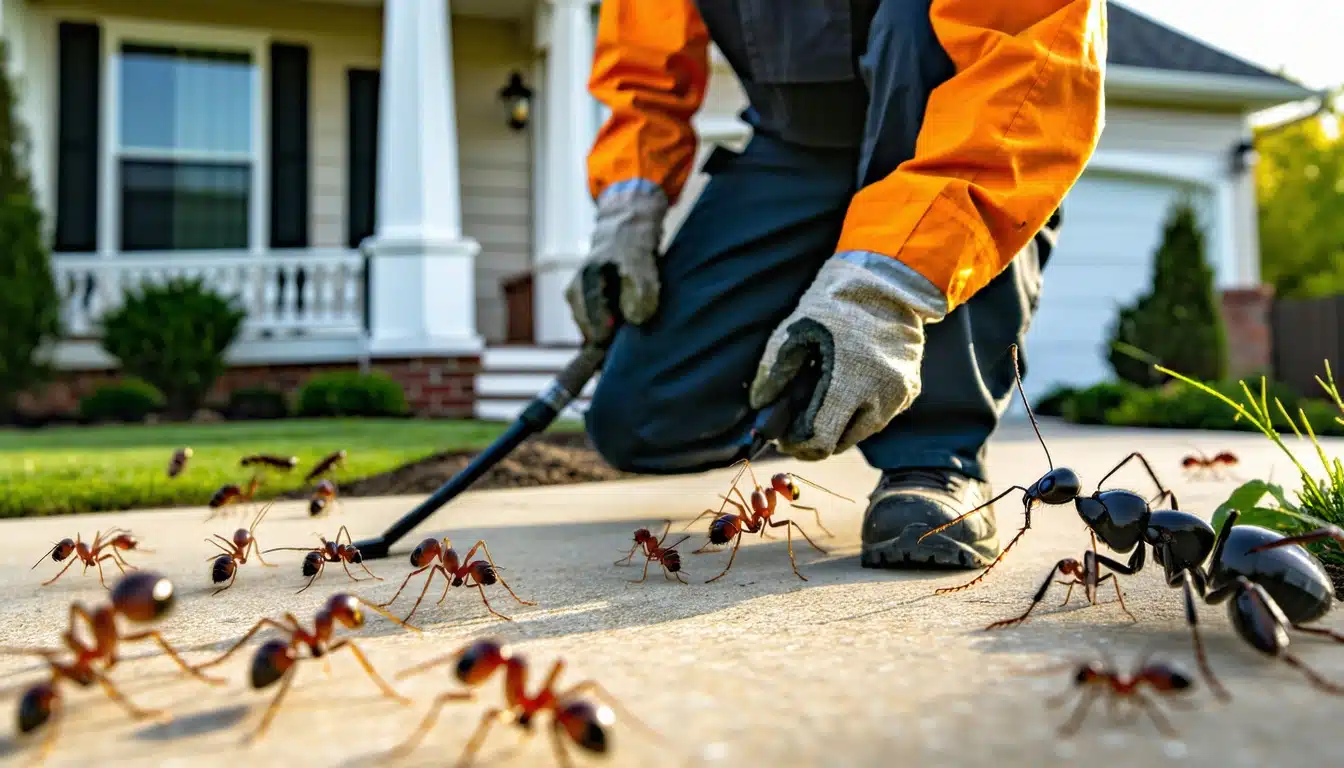
Take Away What They’re After
Ants don’t crash your home for no reason. They’ve found something. Food. Water. Or maybe both.
Start with simple habits that make a huge difference. These small changes alone can cut ant traffic dramatically:
- Wash dishes the same day you use them.
- Keep trash lids sealed tight.
- Store snacks in airtight containers.
- Wipe up crumbs and spills right away.
- Check your plumbing, and fix what’s dripping. Remember, ants need water to survive just as much as they need food.
What Does It Take to Get Rid of Ants Forever?
We have some tough news. Complete, permanent removal is unlikely. Ants are everywhere, and new colonies can always form nearby, like your neighbor’s yards.
Instead, the goal is consistent, long-term control. This includes:
- Regular exterior maintenance
- Ongoing sanitation
- Preventive treatments in early spring
- Quick action when activity appears
With the right approach, infestations can be minimized and managed effectively season after season.
Mess Up Their Scent Trails
Ants leave invisible chemical paths called pheromones. They’re kind of like breadcrumbs. When one ant finds food, it leaves a trail that hundreds more can follow.
You can disrupt those trails using a vinegar and water solution, soapy water, or any standard household cleaner. Wipe down surfaces and the ants get confused. But keep in mind that this alone won’t solve your problem. It slows them down, but you still need the rest of the plan.
How does Texas weather change ant behavior?
Temperature drops push ants indoors for warmth, making sealing and interior baiting your priority.
Heavy rain saturates soil and sends colonies looking for drier ground (usually your house).
Drought conditions drive them inside searching for water, with kitchens and bathrooms as the main targets.
Lastly, remember that fire ants in Texas don’t take seasons off. They’re active year-round. If you have kids or pets, staying on top of mound treatments is crucial.
Go After the Colony, Not Just the Scouts
Crushing ants feels satisfying for about two seconds. Then you realize it doesn’t help. In fact, it can make things worse by scattering the colony.
The real solution is baiting. Here’s how it works: Worker ants carry a slow-acting substance back to the nest. It spreads to other ants, including the queen. Over time, the whole colony collapses.
These ant baiting tips make the difference between success and failure:
- Don’t spray anywhere near your bait stations.
- Place bait directly on active trails.
- Leave bait out for several weeks.
- Sweet baits work for sugar-loving ants. Protein-based baits are better for other species. Match the bait to the ant, or you’re wasting your time.
Why do ants keep coming back? Usually because something still attracts them, or the colony never got fully wiped out. The main nest is often outdoors. Rain, drought, or cold weather can send them inside repeatedly.
Don’t Forget to Treat Outside
Most indoor ant problems start in your yard. That means outdoor treatment is more important than most Texas homeowners realize.
Start by checking common nesting areas around your property. (Look under rocks or landscaping fabric, inside tree stumps or wood piles, in soil pressed against your foundation, around mulch beds, and inside cracks in driveways or sidewalks.)
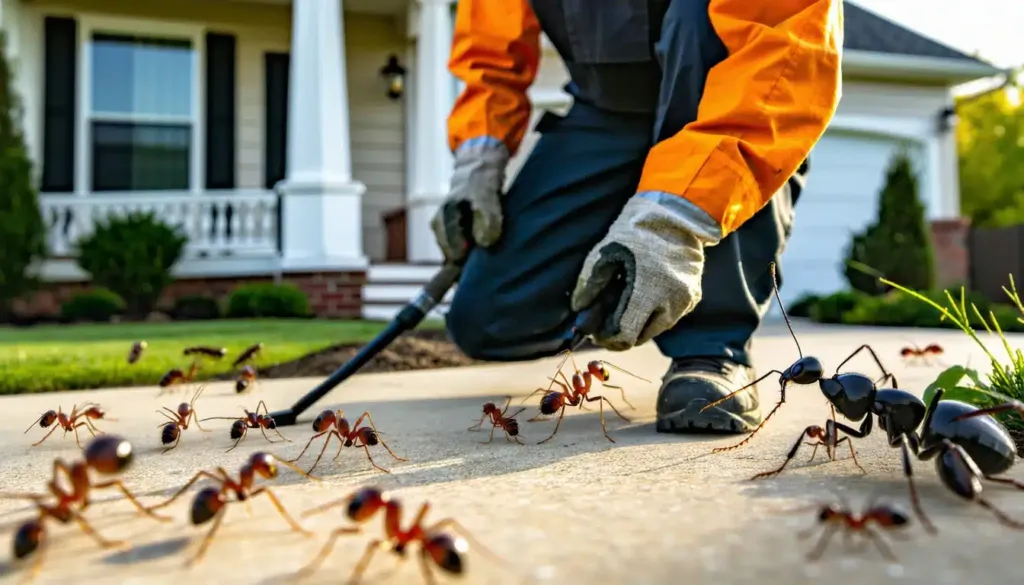
If you follow ants outside, you’ll often find the nest. Then also remember to use granular bait or non-repellent treatments around your perimeter. This eliminates colonies at the source instead of just chasing them away.
There are also natural ant control options that help. However, most are useful as supplements to comprehensive ant or pest control. They can assist with part of the problem, but they won’t fix everything.
- Diatomaceous earth dehydrates ants but stops working when wet.
- Vinegar, peppermint oil, or soap kills on contact and disrupts trails but won’t touch the colony.
Borax or boric acid works well in bait form since ants carry it home.
Block Their Entry for Good
Prevention is the gift that keeps giving. Ants sneak through shockingly small gaps, so you need to think like they do.
Common entry points include foundation cracks, vents and siding gaps, window and door frames, baseboard gaps, and openings around utility lines.
Your job is to seal these areas with caulk, replace damaged weatherstripping, fix torn screens, trim back bushes touching your house, and keep mulch and soil from piling against the foundation.
It’s not glamorous work, but it stops ants before they ever set foot inside.And that’s the most important thing!
How to Get Rid of Ants & More FAQs
-
What's the fastest way to get rid of ants?
Sprays offer quick relief for a limited time. Bait plus outdoor treatment gives you longer-lasting results.
-
Why do ants keep showing up again?
Usually an untreated colony, easy food access, or unsealed entry points.
-
Does bait attract more ants?
Yes. That’s actually the point. More ants carrying bait back means a dead colony faster.
-
How long until bait works?
Expect one to three weeks for noticeable results.
-
Are ants worse in certain Dallas seasons?
Spring is when ant activity ramps way up after winter dormancy.
-
What if the following is happening?
If bait is disappearing but ants are still here, you may have multiple colonies, the wrong bait type, or an outdoor source you missed. Extend treatment time and inspect outside.
If bait sits untouched, something else is winning their attention. Remove other food sources, move bait directly onto active trails, and double-check that you’re using the right formulation.
If you sprayed and now ants are everywhere, that’s likely scattering or budding. Stop spraying near trails, clean surfaces, and reset with bait plus outdoor treatment.
If ants are appearing in multiple rooms, that could mean multiple entry points, a nest inside your walls, a moisture issue, or vegetation touching your home.
Fix Your Ant Issues Fast With GroGreen!
Ant problems are usually manageable. Just follow the full process: identify the species, remove what attracts them, break their trails, destroy the colony, treat your yard, and seal their way inside.
However, some situations call for backup. Carpenter ants often mean hidden moisture or wood damage that needs professional assessment. Fire ant infestations near kids or pets carry enough risk to justify a phone call.
Still not sure how to get rid of ants? Reach out to GroGreen. We serve these DFW communities:
Addison | Allen | Anna | Aubrey | Balch Springs | Carrollton | Cedar Hill | Celina | Coppell | Dallas | Desoto | Duncanville | Flower Mound | Frisco | Garland | Grand Prairie | Hutchins | Irving | Lancaster | Lavon | Lewisville | Little Elm | McKinney | Melissa | Mesquite | Nevada | Plano | Princeton | Prosper | Richardson | Rockwall | Rowlett | Sachse | Seagoville | Sunnyvale | The Colony | Wilmer | Wylie | Murphy | Parker | Lucas | Fairview | St Paul | Hebron | Lowry Crossing
Blog Contributor: James Duhon
James Duhon serves as Branch and Area Manager for GroGreen in Plano, with 20 years of experience. He is licensed by the Texas Department of Agriculture for both lawn care and structural pest control. His background gives him a strong perspective on service standards, customer satisfaction, team leadership, and practical lawn and pest care expertise.