
Learn About Essential Oils & Botanicals That Make a Difference in Dallas, TX
Instant Overview
- Fragrant plants are most effective when the leaves are cut, crushed, or otherwise disturbed
- Among natural mosquito repellents, lemon eucalyptus stands out for its ability to provide several hours of reliable protection
- Removing areas where water collects is one of the most effective steps for interrupting the mosquito life cycle
- The best defense against mosquitoes comes from using several control methods together rather than depending on a single solution
- GroGreen offers mosquito control services that provide relief to homeowners in DFW
Why Mosquitoes Always Find You
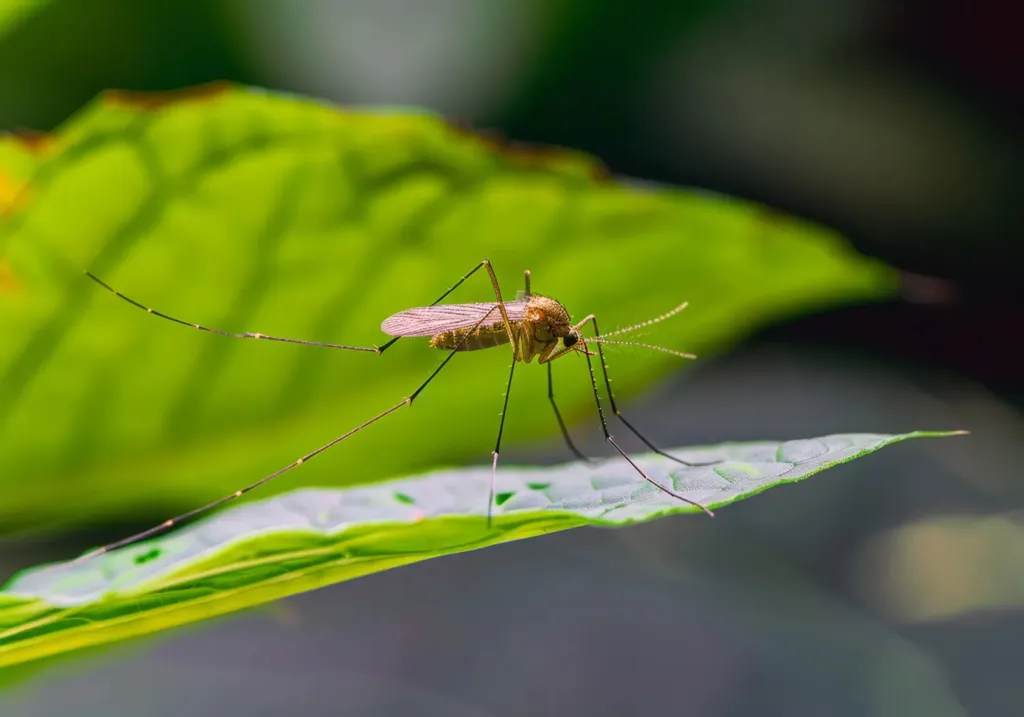
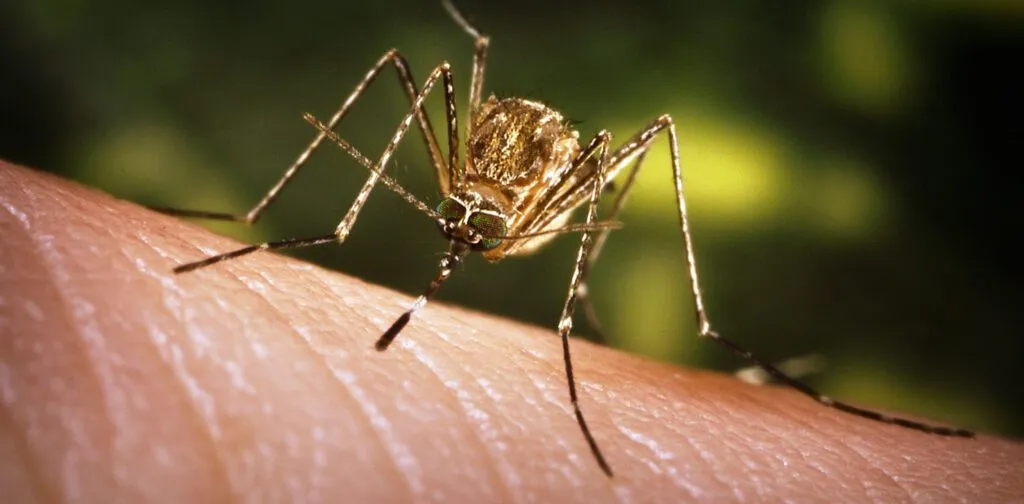
Mosquitoes follow a trail of signals you’re constantly broadcasting.
Every breath you exhale releases a plume of carbon dioxide that mosquitoes can detect from surprising distances. Your body temperature adds a heat signature they can track. And the unique mix of compounds your skin produces functions like a homing beacon.
Natural repellents work by jamming those signals. The volatile oils in certain plants and concentrated in essential oils chemically mask cues typical kinds of mosquitoes in Dallas depend on.
The critical detail most people miss? Those oils have to actually reach the air around you in meaningful amounts. A plant sitting in a corner isn’t broadcasting anything useful.
Crushing leaves, trimming stems, burning plant material, or applying extracted oils to your skin. Those are the actions that put the compounds where they need to be.
A High-Impact Move That Costs Nothing
Every natural strategy discussion should begin here with this one action…
Get rid of standing water.
Mosquitoes raise entire generations in your yard. A single female can deposit hundreds of eggs into a water source no bigger than a bottle cap.
Within days, those eggs become larvae. Within a week or two, those larvae become flying adults who immediately start the cycle over.
Your gutters, random buckets, the low corner of your yard, the birdbath. Each of these is a production facility.
Drain them, flip them, or refresh them frequently enough that larvae can’t complete their development. No breeding site, no population surge.
It’s the most leverage you’ll find in natural mosquito management, and it requires no products at all.
Plants Worth Growing & How to Use Them
With the breeding site problem addressed, plants become a meaningful layer of defense.
Basil releases its oils with minimal encouragement. Even a light brush as you walk past pushes fragrance into the surrounding air.
A cluster of pots near your outdoor seating gives you ongoing, low-maintenance protection that improves every time someone reaches for a sprig.
Rosemary handles Texas heat without complaint and develops that distinctive woody, resinous fragrance through ordinary contact.
Planted along walkways and near entry points, it gets activated naturally as people move through the yard.
Mint and peppermint produce intensely sharp fragrances that mosquitoes find deeply unappealing.
Crushing a few fresh leaves and rubbing them directly on skin creates a quick field repellent.
Thyme contains thymol — a naturally occurring compound with well-documented insect-repelling activity. Bruising the leaves releases it in small amounts, and burning the sprigs near a fire releases it in quantities that actually register as a deterrent.
Garlic works as a perimeter planting. The effect is subtle and cumulative rather than dramatic.
Lavender has the compound linalool, which provides repellent activity when released. That can happen through direct contact with the plant or, more effectively, through applying the extracted oil to skin.
Marigolds are practical garden workhorses that happen to contain pyrethrum (the same active ingredient found in a wide range of commercial insect repellent products).
Citronella grass deserves a spot in more DFW yards than it currently occupies. It’s the genuine botanical source of the citronella oil everyone associates with those yellow candles.
Lemongrass grows tall and looks tropical, which creates a nice visual effect along patio borders. Its scent when disturbed is pleasantly citrusy and genuinely off-putting to mosquitoes.
Geraniums, specifically the Pelargonium citrosum type, release a light citrus fragrance through their leaves that mosquitoes don’t enjoy. Plus, they’re container-friendly and easy to relocate.
Catnip consistently surprises people. The active compound nepetalactone has outperformed DEET in controlled research settings. The leaves just need to be crushed to release anything meaningful.
Lemon balm grows readily in the DFW area and produces a sharp lemony scent that mosquitoes avoid. It can get aggressive in garden beds, so containers keep it manageable.
Sage works great as a burning herb. A handful of leaves placed directly on fire pit coals fills the immediate air with aromatic smoke that functions as a real mosquito deterrent.
Eucalyptus is worth growing, but the extracted version (oil of lemon eucalyptus) is where its serious effectiveness shows up.
Essential Oils: Concentrated & Effective
Plants are the passive version. Essential oils are what happens when you take the active compounds and deliver them at much higher concentrations directly where you need them.
Oil of lemon eucalyptus sits at the top of the natural category. It’s the only plant-derived repellent that’s comparable to DEET. In a proper carrier, a single application holds for two to three hours.
Pure citronella oil performs at a different level than citronella candles, which dilute the compound into wax and burn it slowly in open air.
Lavender oil is among the mildest options on this list. Most people tolerate it well on skin, the scent is pleasant, and it works well for situations where full-strength protection isn’t necessary.
Tea tree oil brings insect-repelling and antimicrobial properties together, but dilution is a must. Undiluted, it’s irritating to your skin and should be kept away from children and pets.
Before mixing or applying anything: Dilute every essential oil in a carrier before it touches skin. Several common oils can cause real problems. Patch-test when trying something new.
Simple Recipes to Make at Home
Oil-based formula: Three to five drops of essential oil per ounce of carrier oil. Fractionated coconut oil and sweet almond oil are both good choices. This formula tends to stay active a bit longer than water-based sprays and holds up better in humid conditions.
Basic spray: One part essential oil to ten parts carrier (witch hazel or distilled water both work). Shake well before each use. Oils and water separate on standing. Reapply every couple of hours.
Outdoor applications: Citronella candles perform best in small spaces with limited cross-breeze. Herb bundles burned on a grill or fire pit (rosemary, sage, and thyme) produce smoke that deters mosquitoes in the immediate area.
Easy & Underrated Tools for Repelling Mosquitoes
Yard maintenance
Mosquitoes rest in shaded, humid vegetation during the day and become active in the cooler hours of morning and evening. Overgrown shrubs, tall grass, and dense low-growing plants give them ideal daytime shelter.
Managing your landscaping (keeping grass trimmed, thinning dense growth, clearing debris) reduces the resting habitat available. This helps cut down the local population over time.
A box fan
Mosquitoes are weak fliers. Modest airflow is enough to make controlled flight difficult for them.
Point a fan toward your seating area and you create a zone that mosquitoes can’t occupy. As a bonus, the moving air disperses the CO2 trail and chemical signatures that draw them toward you in the first place.
Two Myths About Natural Pest Deterrents
“The citronella plant on my deck is doing something.”
It’s a nice plant. However, a container of citronella grass sitting undisturbed in a corner isn’t releasing its oils at concentrations that affect mosquitoes nearby.
You’d need to be actively crushing the leaves, or the plant would need to be in a high-traffic spot where people brush against it regularly. Passive placement produces passive results.
“If I find the right plant, I’ve solved the problem.”
Mosquito management requires more than one lever. A yard that combines repellent plants, applied essential oils, eliminated standing water, trimmed vegetation, and good airflow outperforms any single-strategy approach.
Know When to Call for Backup
Natural mosquito repellent methods are effective for light-to-moderate mosquito situations. For instance, if you have a smaller yard, host occasional outdoor gatherings, Or have manageable seasonal pressure.
If you’re eliminating standing water, planting thoughtfully, applying oils before you go outside, and using airflow, you’ll notice a real difference.
But DFW mosquito pressure has a ceiling that natural methods sometimes can’t break through. If you’re timing your outdoor activities around mosquito activity rather than your own schedule, that’s the tell. DIY is no longer the right tool for the job.
GroGreen’s mosquito control programs target active populations, eliminate breeding zones, and give you your yard back. Natural repellents complement that kind of professional treatment, but they’re just not a replacement for it once the situation has moved beyond what botanicals can handle.
Need help with your mosquito problem? We serve these DFW communities:
Addison | Allen | Anna | Aubrey | Balch Springs | Carrollton | Cedar Hill | Celina | Coppell | Dallas | Desoto | Duncanville | Flower Mound | Frisco | Garland | Grand Prairie | Hutchins | Irving | Lancaster | Lavon | Lewisville | Little Elm | McKinney | Melissa | Mesquite | Nevada | Plano | Princeton | Prosper | Richardson | Rockwall | Rowlett | Sachse | Seagoville | Sunnyvale | The Colony | Wilmer | Wylie | Murphy | Parker | Lucas | Fairview | St Paul | Hebron | Lowry Crossing
Mosquito Repellent FAQs
-
How do I keep mosquitoes away from my yard naturally?
Removing standing water is the single most impactful step. After that, layer in repellent plants near areas where people gather, apply essential oil-based formulas to exposed skin, keep grass and vegetation trimmed back, and use fans to disrupt both mosquito flight and the chemical signals that attract them to you.
-
Are natural repellents safer than DEET?
They come with fewer synthetic chemical concerns, which is meaningful to many people. For situations involving higher disease risk, DEET’s longer-lasting profile becomes harder to set aside.
-
What kills mosquito larvae naturally?
BTI — Bacillus thuringiensis israelensis — is a naturally occurring soil bacteria that kills mosquito larvae in standing water, leaving fish, birds, beneficial insects, and pets unaffected.
-
Do repellent plants actually work?
They do, but only when the oils are actively released. Crushed, trimmed, or burned plant material produces real deterrent effects.
-
What's the strongest natural mosquito repellent?
Oil of lemon eucalyptus in a properly diluted carrier.
Blog Contributor: James Duhon
James Duhon serves as Branch and Area Manager for GroGreen in Plano, with 20 years of experience. He is licensed by the Texas Department of Agriculture for both lawn care and structural pest control. His background gives him a strong perspective on service standards, customer satisfaction, team leadership, and practical lawn and pest care expertise.